
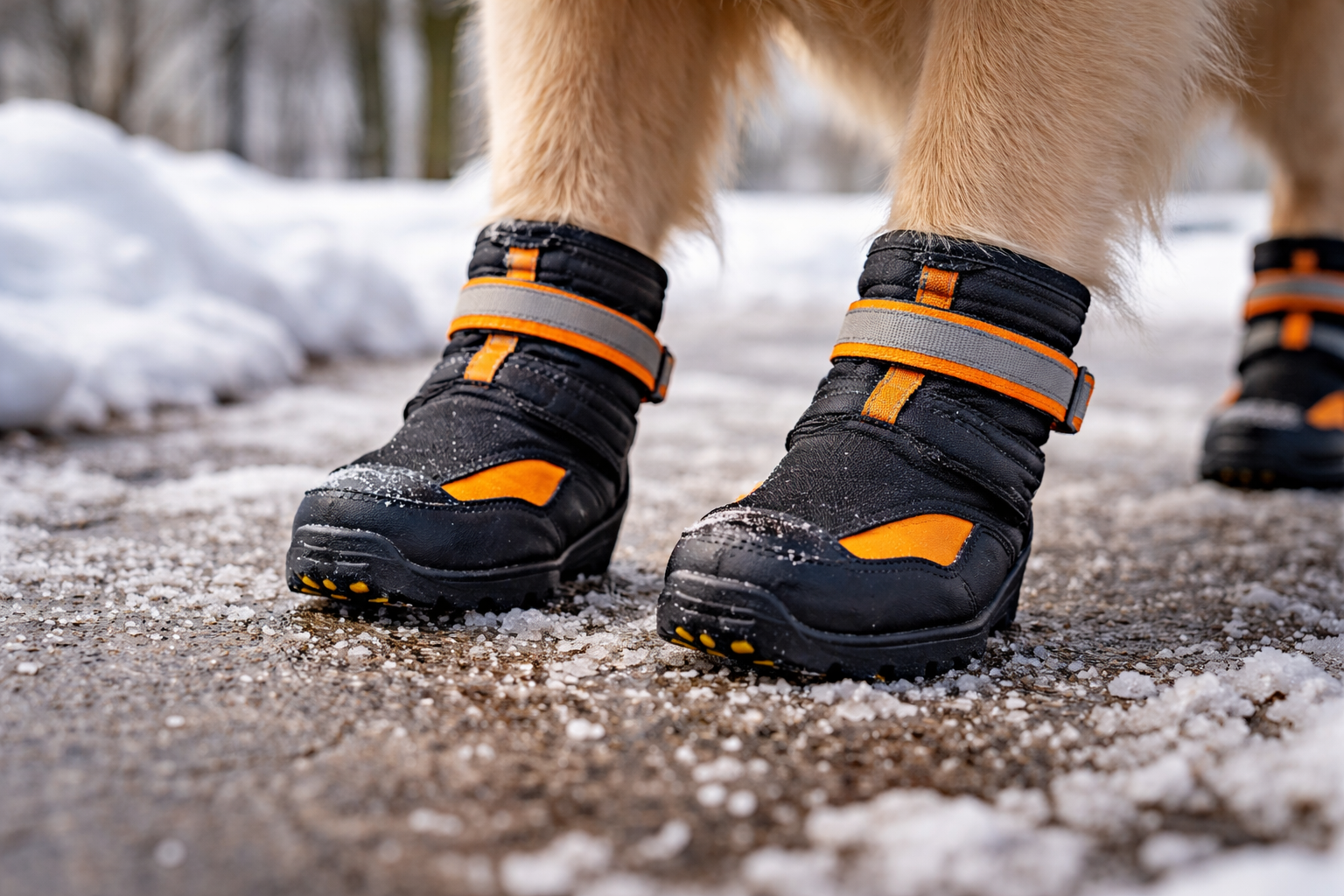
There’s a moment that sticks in my mind every winter. It was a bitter morning; maybe minus seven or eight, and I took my dog, Bruno, out for a quick walk around the block. Halfway down the street he froze, lifted one paw, and looked at me like something was terribly wrong. When I knelt down to check, I saw tiny white crystals wedged between his toes, almost like coarse sand. The pads were already red. That was the day I realized how aggressively road salt can tear up a dog’s paws, even on short walks.
That’s the thing: most people think the cold or snow is the main issue. But it’s usually the salt, and the chemical de-icers mixed into it, that cause the real damage.
This guide breaks down what road salt does to paws, how to spot irritation early, why winter dog shoes are the most reliable protection, and how to choose, fit, and use them the right way. Plus, I’ll share a quick routine you can use this winter to keep your dog comfortable and safe.
What Road Salt Actually Does to Dog Paws
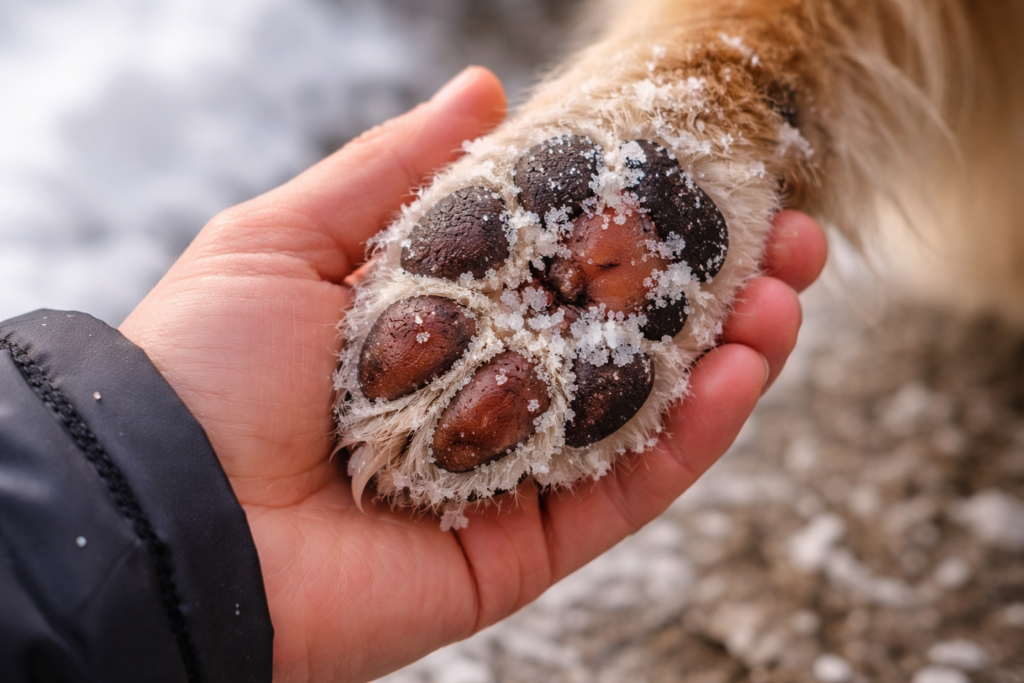
Road salt is harsh. It’s basically tiny shards of crystallized mineral that scrape, dry, and irritate paw pads. Pair that with freezing temperatures and abrasive ice, and you get a rough combination.
Here’s what typically happens:
1. Irritation and micro-abrasions
Salt crystals can create small cuts or scratches on the pads. These often go unnoticed at first but can worsen quickly.
2. Drying and cracking
Salt pulls moisture from the surface of paw pads. Once they dry out, they crack—and cracked pads can bleed or become infected if debris gets inside.
3. Burning sensation
De-icing chemicals can cause a burning or stinging feeling. Dogs react by holding their paws up, refusing to walk, or licking excessively.
4. Ingestion risks
If a dog licks salt off their paws, it can upset the stomach or, in large quantities, lead to salt toxicity. Vet guidance from public organizations like the AVMA warns about this, especially in winter climates where sidewalks are heavily salted.
Signs Your Dog’s Paws Are Being Damaged by Salt
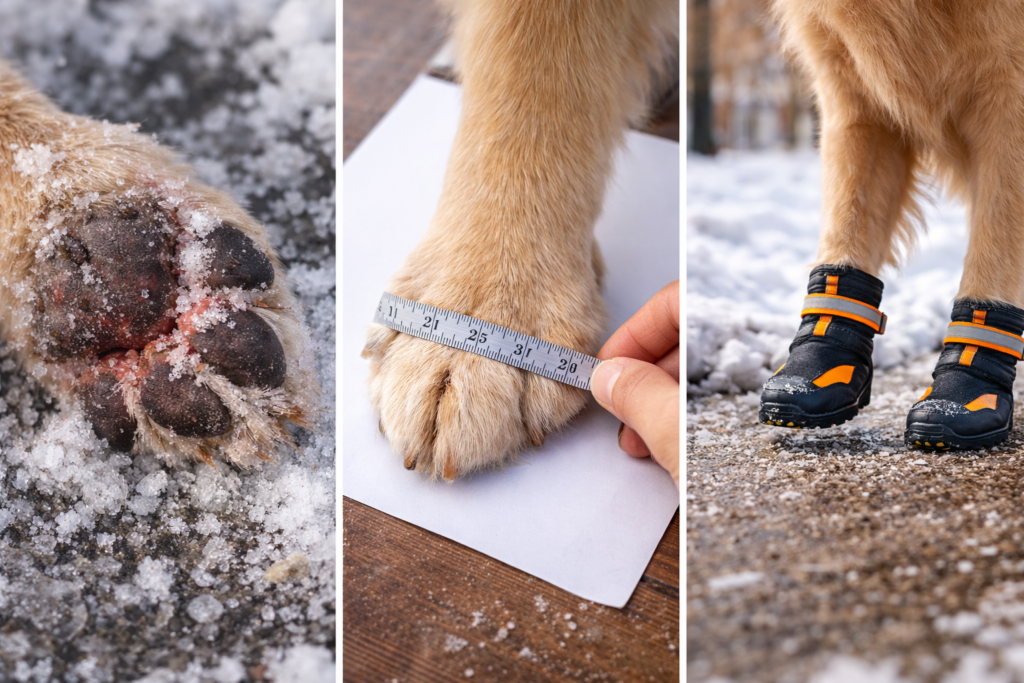
After a walk in winter, look for:
- Red or inflamed pads
- Dry or flaky skin
- Cracks or small cuts
- Limping or hesitating to put weight on a paw
- Persistent licking after walks
- Bleeding
- Sensitivity when you touch the paw
If swelling is significant, or if the dog cries when the paw is handled, it’s worth contacting your vet. Some infections can escalate quickly.
Why Dog Shoes Work Better Than Balms or Wipes
People often ask whether paw balm alone is enough. Balms help, but they aren’t true protection. On heavily salted sidewalks, they wear off fast, sometimes within minutes.
Dog shoes have a few big advantages:
1. Full barrier protection
Shoes keep salt off the skin entirely. No crystals getting stuck, no chemicals seeping in.
2. Insulation against freezing ground
Even without salt, cold surfaces can cause micro-cracking. Shoes add a layer of warmth.
3. Traction on ice
A good winter boot has textured soles that reduce slipping, making walks safer for both dog and owner.
4. Less licking
If there’s no salt on the paw, there’s nothing to lick off—greatly reducing ingestion risks.
5. Cleaner paws
No snow clumps, no slush buildup. You come home with dry, clean paws instead of a mess.
How to Choose Winter Dog Shoes That Actually Work in Snow and Salt
Not all dog shoes are created equal. Thin fabric models without proper soles don’t hold up in real winter conditions.
Here’s what to look for:
1. Waterproof exterior
Salt melts snow into slush. A waterproof outer layer keeps paws dry and warm.
2. Insulated lining
Fleece or soft lining helps with warmth without overheating.
3. Durable treaded sole
A real sole, not a thin rubber film, is key. It should flex naturally but still protect against sharp ice and rough salt.
4. Secure closure
Velcro or adjustable straps keep shoes from slipping off. Double closure is ideal for deep snow.
5. Reflective accents
These help with visibility during dark winter walks, which is most winter evenings.
6. Easy-on structure
A wide opening makes life easier, especially if your dog gets impatient.
7. Avoid cheap plastic materials
These get stiff in cold temperatures and can rub or trap moisture.
Sizing and Fitting: How to Get the Right Fit on the First Try
Dog shoe sizing is surprisingly straightforward if you follow a simple measuring method.
- Have your dog stand on a piece of paper.
- Press gently on the top of the paw so it spreads naturally.
- Trace the outline.
- Measure width and length at the widest and longest points.
- Compare to the sizing chart.
- If your dog is between sizes, go up one size.
A properly fitted boot should:
- Stay on during a walk
- Allow the toes to move naturally
- Not rotate around the leg
- Leave just a bit of extra room for comfort
If they fall off, the boot is either too big or not strapped tightly enough.
Training Your Dog to Wear Boots Without a Fight
Some dogs adapt right away, but many find the sensation strange at first. Here’s a simple, stress-free approach that works for most:
Day 1: Indoor introduction
Put boots on for 30 seconds inside. Give treats. Remove.
Day 2: Short indoor walk
Increase to 2-3 minutes. Let the dog walk around, stumble a bit, laugh it off.
Day 3: Backyard test
Try a short outdoor session. Keep it positive.
Day 4: First small walk
Do a 5-minute walk. Reward often.
Day 5: Normal walk
At this point most dogs get used to the feel, especially when they realize boots protect them from discomfort.
A Quick Winter Paw-Care Routine
Whether you use boots or not, a good routine makes a huge difference.
Before walks:
- Check for existing cracks
- Wipe off debris
- Apply a small amount of balm if desired (not required with boots)
After walks:
- Rinse paws in warm water to remove salt
- Dry thoroughly between toes
- Inspect pads for redness
If using boots:
- Remove immediately when indoors
- Shake off salt
- Let them air dry
Case Study Example
One of our regular customers last year had a Shiba Inu who constantly came home from walks with raw, reddish pads. After switching to winter boots and following a simple rinse routine, the dog’s paws healed within two weeks. The owner noticed fewer slips on ice, and the dog stopped holding up paws mid-walk. It wasn’t overnight, but the change was dramatic.
What to Test
Evaluate dog winter boot styles by doing short daily walks in snow, slush, and heavily salted sidewalks. We judged them on:
- Traction (slip resistance on icy patches)
- Warmth (paw dryness after walks)
- Ease of putting on (time and frustration level)
- Fit retention (whether boots stayed in place)
- Comfort (observing gait and paw checks afterwards)
The goal isn’t lab precision, just real-world use in cold mornings, uneven sidewalks, and mixed conditions. The models that performed best stayed on securely, blocked salt completely, and kept the paw clean and dry.
Quick-Action Checklist for Winter Paw Safety
- Use winter dog shoes on salted or icy sidewalks
- Rinse paws after every walk
- Check daily for cracks or redness
- Keep nails trimmed to improve boot fit
- Monitor for excessive licking
- Introduce boots gradually over 4-5 days
When to Contact a Vet
Two situations require more attention:
- Persistent swelling or bleeding
- Your dog refuses to put weight on a paw
Vets often recommend a simple cleaning routine or a protective dressing for mild cases, but if infection is suspected, they may want to examine the paw.
Where to Go Next
Once you know how salt affects paws, the value of winter boots becomes obvious. They keep paws clean, dry, and protected no more stopping mid-walk because icy salt stings.
If you want to explore options, check out our store’s salt-proof booties or read a detailed sizing guide to ensure a perfect fit.
Salt-Proof Winter Boots for Dogs
-
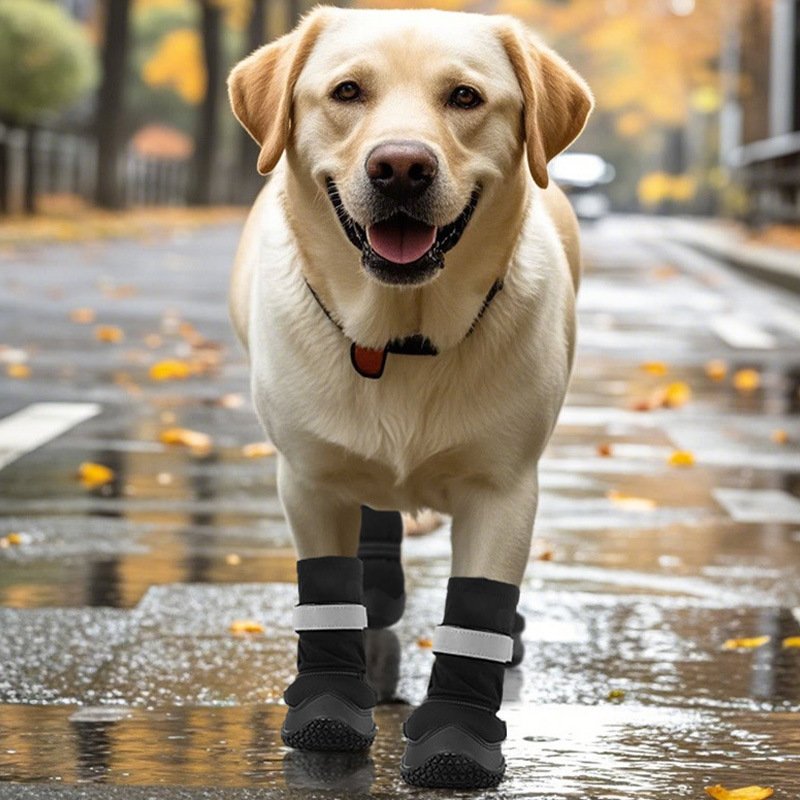
Extended Medium Large Dog Dog Shoes
From $47.60 -
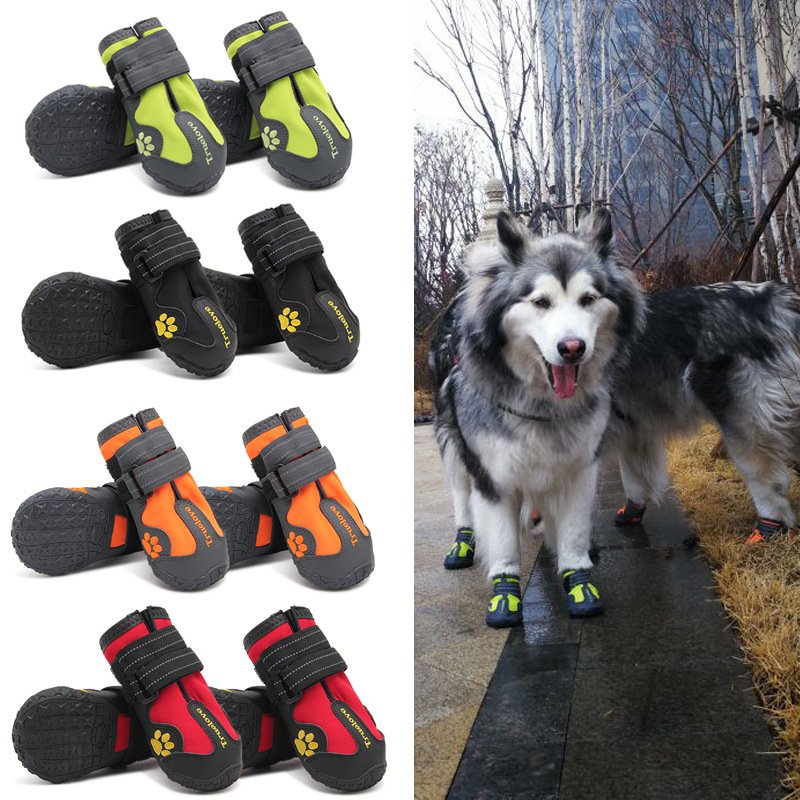
Non-slip, Salt-Proof Winter Boots for Big Dogs
From $52.24 -
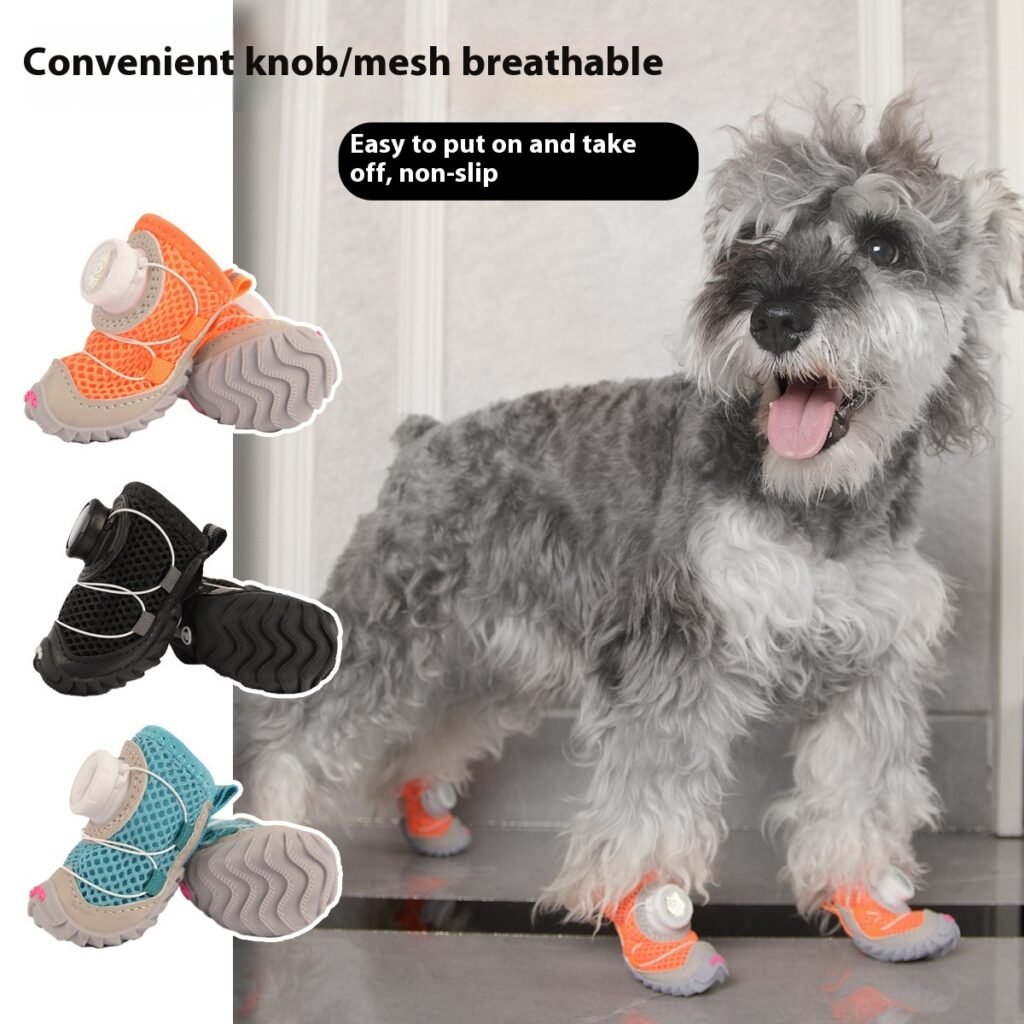
Soft Bottom With Salt-Protection for Small Dogs
From $18.32 -

Soft-Soled Dog Shoes for All Seasons
From $9.10 -
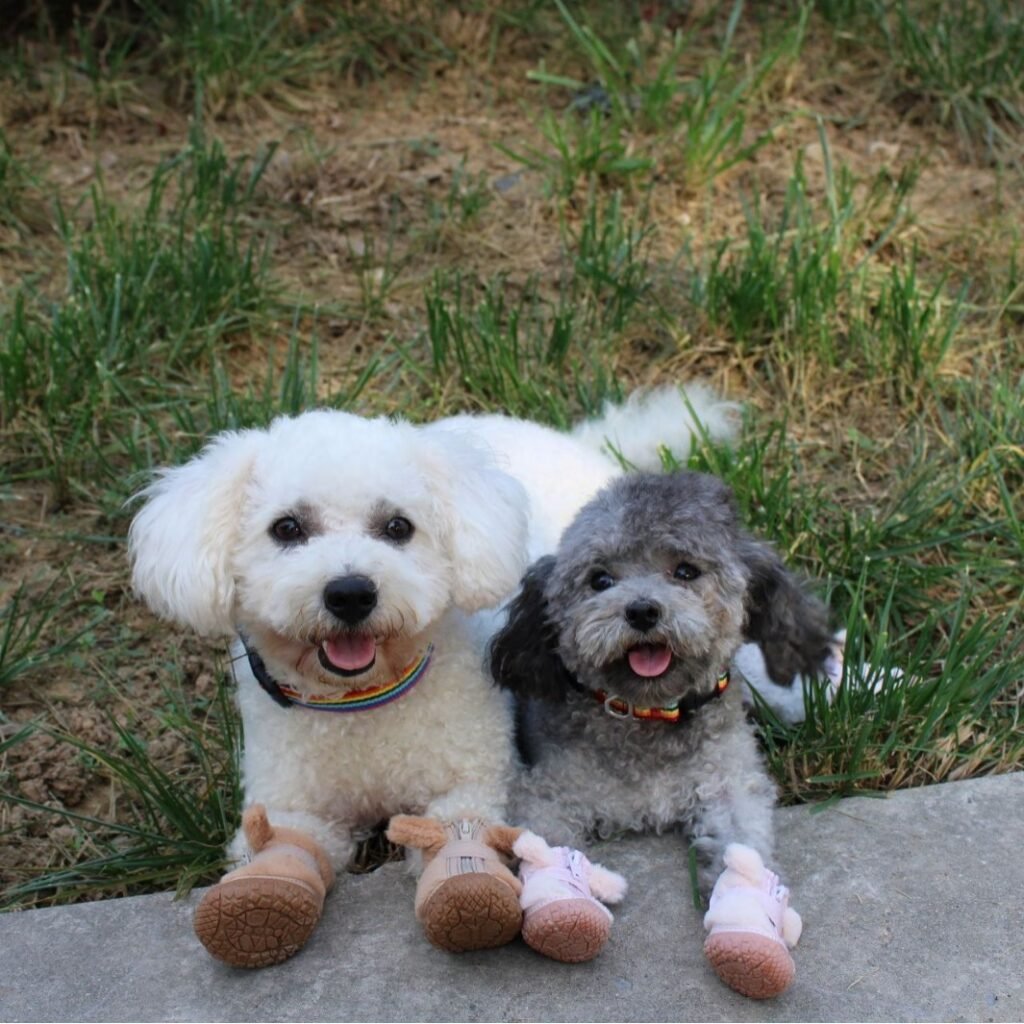
Winter Anti-slip, Salt-Proof Shoes For Small For Dogs
From $35.43
Frequently Asked Questions on Salt-Proof Dog Boots
How does road salt damage dog paws?
Salt crystals scratch and dry paw pads, causing irritation, cracking, and sometimes bleeding. Chemical de-icers can add a burning/stinging sensation that makes dogs lick excessively.
Is paw balm enough protection for winter walks?
Balms help with moisture but wear off quickly on salted sidewalks. They cannot prevent salt from getting between toes, so they’re best used as a supplement—not a replacement—for boots.
What should I do if my dog’s paws get cracked or red?
Rinse gently with warm water, dry thoroughly, and give the paw time to rest. If swelling or bleeding persists, contact a vet for guidance to avoid infection.
How do I train my dog to wear boots?
Start indoors with short sessions: 30 seconds the first day, 2–3 minutes the next. Reward often. Gradually introduce outdoor time and short walks until the dog adapts.
Can all dogs wear winter boots?
Yes. Large, small, old, or active; any dog can benefit from protection against salt and ice. It’s especially helpful for breeds with sensitive pads or low body weight.
How long can a dog wear boots?
For typical winter walks, boots can stay on for 20–40 minutes at a time. Remove them indoors to let paws breathe and dry naturally.